Abstract
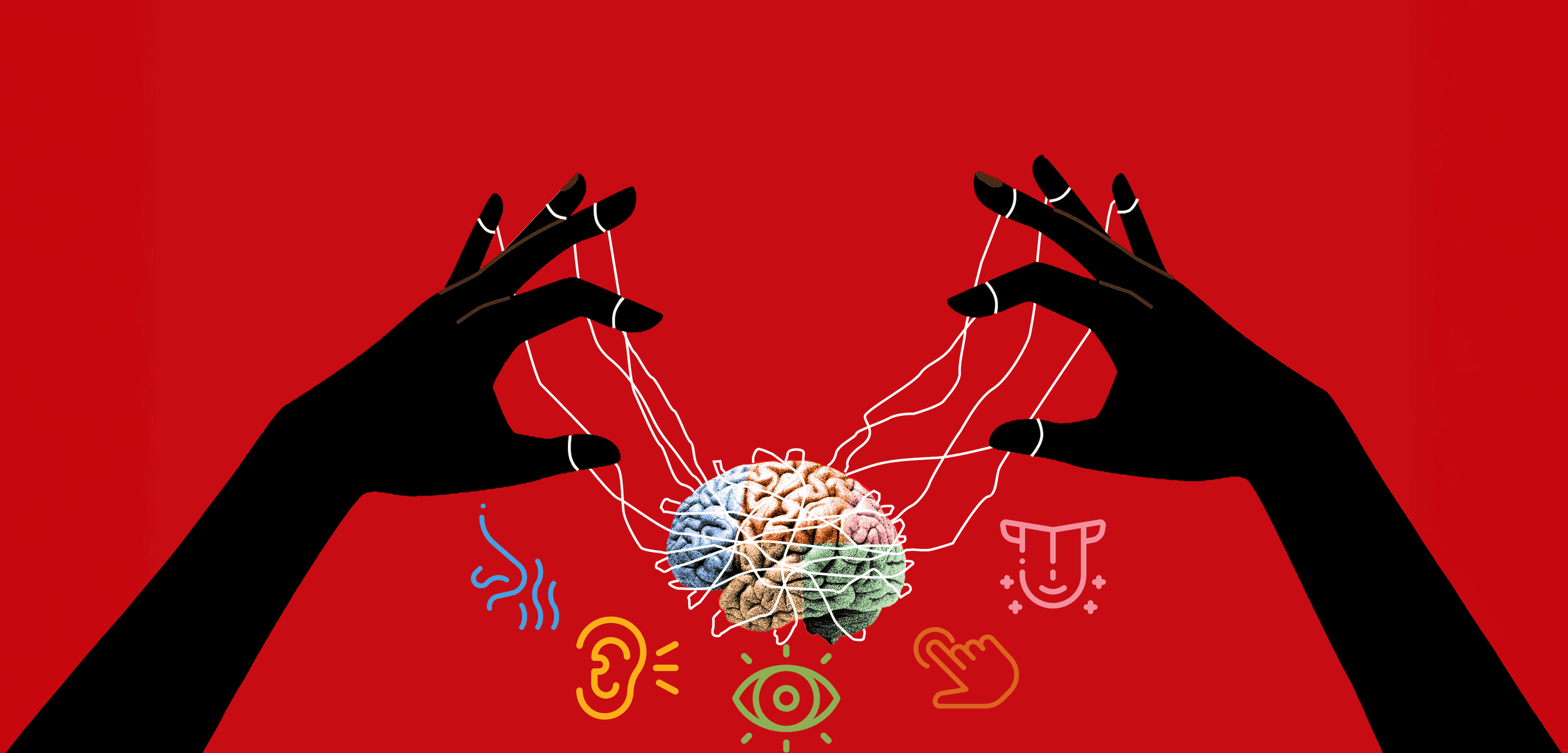
Deceptive patterns in visual interfaces – subtle nudges that persuade or manipulate users to take a certain action – have been researched extensively. Yet, little is known about how these patterns can be translated to the other human senses and what other forms of deception could be implemented for them. This meet-up aims to bring together researchers and practitioners with an interest in studying multi-sensory manipulative interface design, exploring how deceptive patterns for touch, sound, taste, and smell, but also lesser-known senses such as balance, pain, or interoception, can be created, embedded, and mitigated in and with current and future technologies. By facilitating the discussion of potential opportunities and risks across senses, we want to foster new collaborations to advance the field of responsible multisensory deceptive pattern research. In the long term, we hope to raise awareness of potential threats before they arise so we can better safeguard end users.
Goal of the meet-up
The goal of the meet-up is to spark conversations about multi-sensory manipulation risks across the scientific community, inviting fresh trans-disciplinary voices and perspectives to join the discussion. The meet-up provides a platform for connecting attendees from industry and academia through structured networking. These efforts aim to inspire collaborations for open-source tools to detect these patterns and protect users from these threats of maipulation.
Activities & Agenda
We have planned an interactive 90 minute session blending interesting discussions and networking
Introduction (15 minutes) : Introduction of organizers and short presentation about dark patterns and multi-sensory interactions with real life examples.
Interactive Polls (15 minutes) : Real-time interactive poll on attendee backgrounds, interests and expertise.
Discussion/ Networking (45 minutes) : Attendees will be divided into groups to discuss and reflect on their own research / practical work and think about the manipulation potential of multi-sensory feedback in those contexts. We will also discuss overarching research methodologies relevant to dark pattern research.
Wrap-up & Conclusion (15 minutes) : Groups will be invited to share core points of the discussion. We will provide resources for attendees to stay connected with each other (e.g. slack channel) and discuss community engagement strategies to foster newly established connections for future events and editions of CHI.
Organizers

Karthikeya Puttur Venkatraj
CWI & TU Delft
Amsterdam, Netherlands
Donald Degraen
HIT Lab NZ, University of Canterbury
Christchurch, New Zealand

Abdallah El Ali
CWI & Utrecht University
Amsterdam, Netherlands

Jan Gugenheimer
TU Darmstadt
Darmstadt, Germany

Gijs Huisman
Human-Centered Design, TU Delft
Delft, Netherlands
Veronika Krauß
Responsible System Design
Ansbach University
Ansbach, Germany
Christina Schneegass
TU Delft
Delft, Netherlands
Steeven Villa